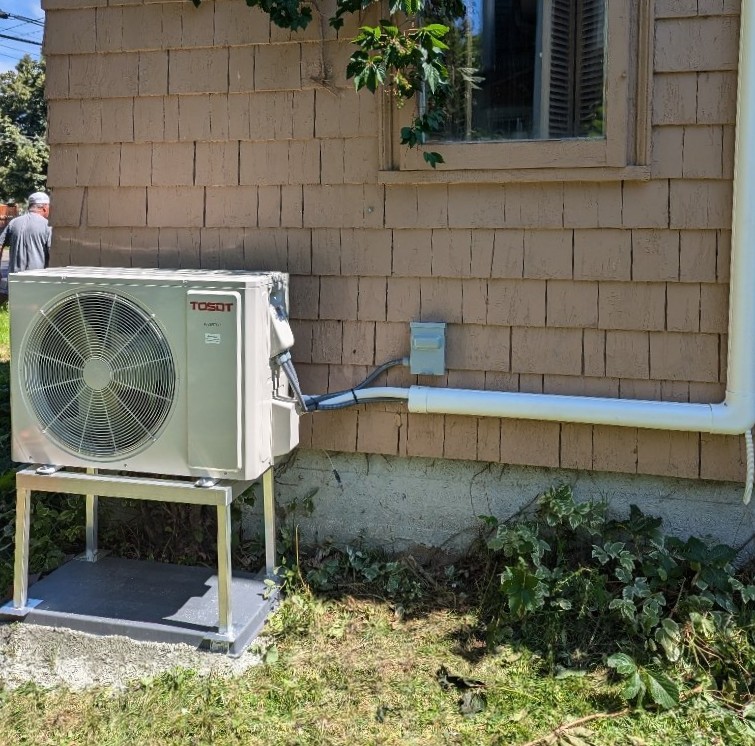
Sustainable architecture prioritizes energy efficiency, carbon reduction, and long-term resource management. Within this framework, the transition from fossil-fuel-based heating to electrified systems remains a critical objective. Heat pumps serve as the primary engine for this shift, moving away from combustion-based climate control toward a high-efficiency transfer process. By utilizing ambient energy from the air or ground, these systems align residential infrastructure with modern environmental standards. Understanding these systemic benefits highlights the numerous advantages of investing in a heat pump for homeowners.
Integration with High-Performance Building Envelopes
A core principle of sustainable design is the "fabric first" approach, which emphasizes airtightness and superior insulation. Heat pumps complement these structures by providing steady, low-temperature heating that maintains thermal equilibrium without the drastic fluctuations common in traditional furnaces. Because these units operate most efficiently in homes with minimal heat loss, they often dictate the insulation requirements and glazing specifications of net-zero and Passive House projects.
The synergy between a tight building envelope and a variable-speed heat pump results in a drastically reduced energy load. This reduction allows for smaller, more cost-effective equipment sizing, which further lowers the embodied carbon of the construction project.
Carbon Neutrality and Renewable Energy Synergy
The decarbonization of the residential sector depends heavily on the "electrify everything" movement. Heat pumps facilitate this by operating entirely on electricity, which can be sourced from a greening power grid or on-site solar arrays. In a sustainable home design, a heat pump acts as a thermal battery, utilizing peak solar production during the day to regulate indoor temperatures for the evening.
Unlike traditional boilers that lose energy through exhaust, heat pumps can reach efficiency levels exceeding 300%. This means for every kilowatt of electricity used, three or more units of heat are transferred into the living space. This ratio is mathematically impossible for combustion-based systems, positioning the heat pump as the only logical choice for truly sustainable mechanical design.
Long-Term Resource Management
Beyond carbon emissions, sustainability involves the longevity and adaptability of home systems. Modern heat pump units provide both heating and cooling from a single source, reducing the need for duplicate infrastructure. This consolidation simplifies the maintenance schedule and reduces the total volume of mechanical components required over the lifespan of the building.
Furthermore, the implementation of smart thermostats and grid-integrated controls allows these systems to respond to real-time energy pricing and demand-response events. This level of connectivity ensures that the home remains a functional part of a resilient energy ecosystem rather than a passive consumer of resources.